





Design of Retaining Walls
[edit] Introduction
What a time to be alive! Retaining walls are more than just a practical way to keep soil, water, and even certain building materials from spilling into your outdoor space. Nowadays, these structures can be designed in a variety of ways to provide a pleasant aesthetic to your outdoor space and cleverly manage the land around you. From terracing to environmentally-friendly designs, there’s no limit to the wonders of a retaining wall. Let’s dive into the world of retaining walls and explore the possibilities of this powerful tool.
[edit] Building blocks of retaining walls
Retaining walls have been used for centuries, and with the right materials, they can be built to last. Structural and decorative blocks, precast concrete, poured concrete, timber, and boulders are all popular materials used to construct retaining walls. The particular material used depends on the site, the depth of the wall, and the desired design. With hundreds of options for materials and shapes, the possibilities for a retaining wall are endless.
[edit] Construct retaining walls with creativity
A retaining wall can be used to create a stunning backdrop for your outdoor space. Instead of a flat, dull retaining wall, consider opting for a dramatic shape to create interest. A curved wall can soften a hard-scape, while a terraced wall can draw attention to the texture and height of your outdoor space. With the right materials and creative ideas, a retaining wall can add a unique touch to your outdoor area.
[edit] Harnessing the power of terracing
Terracing is a great way to transform a sloped garden into a beautiful outdoor area. By creating multiple levels, a retaining wall can be utilised to hold soil in place and create a flat surface for landscaping. With terracing, you can break up a steep slope into manageable stair-like sections. This allows you to create different levels of planting beds, gardens, and even seating areas.
[edit] Creative ways to design retaining walls
Retaining walls can be designed to match the natural surroundings, such as a rustic wood wall that blends in with the trees and plants. Alternatively, you can opt for a modern design to stand out from the rest of the outdoor area. An artistic wall with intricate patterns and different levels of brickwork can be used to create a structure that stands out from the rest.
[edit] Bending the laws of gravity with retaining wall
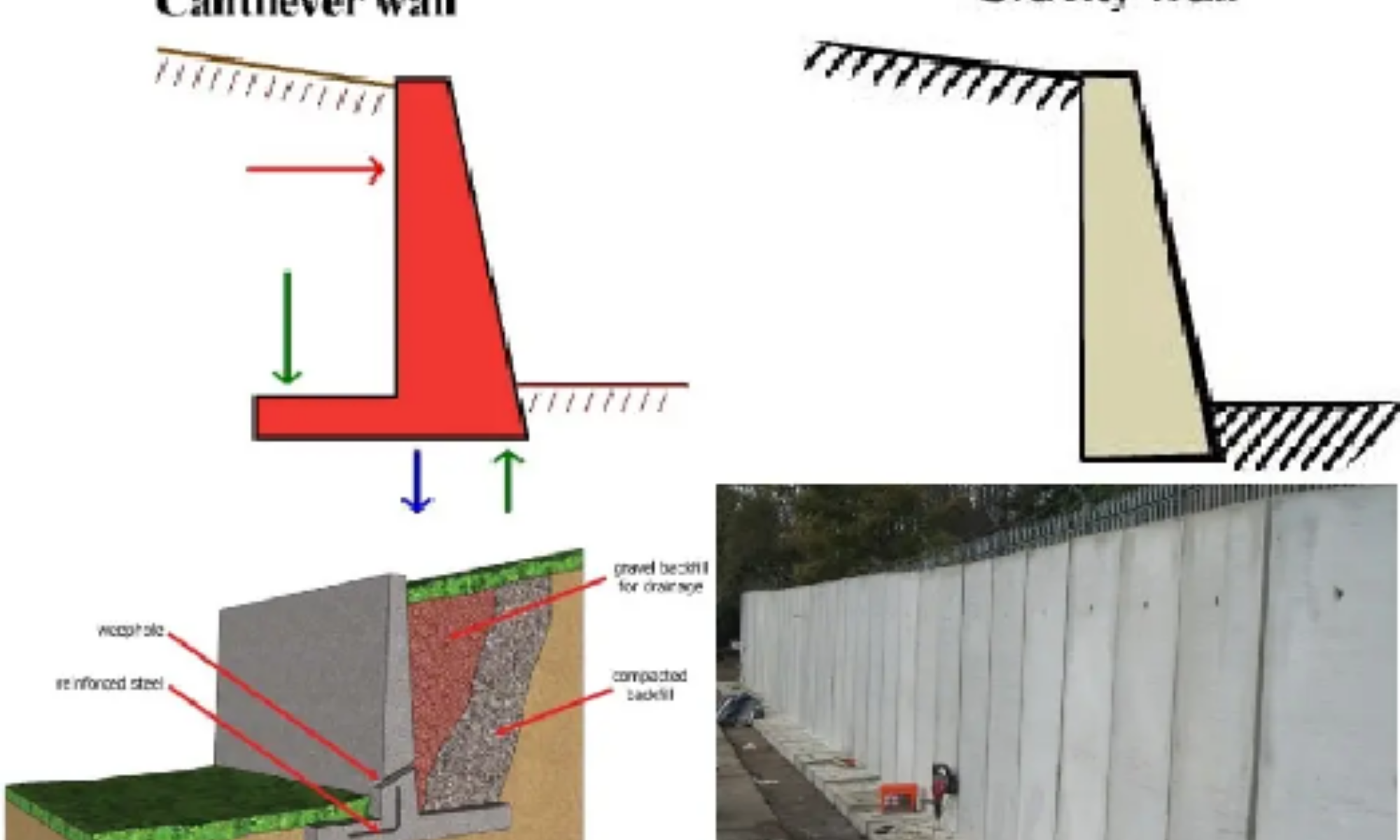
Retaining walls are a great way to manage the flow of runoff water, redirect soil erosion, and even prevent land slippage. Often, these walls are built with a slight incline to help ensure that the soil doesn’t build up against the wall. This angled design helps prevent the wall from toppling over due to the weight of the soil.
[edit] Crafting walls for every setting
These days, there are an array of wall materials to choose from. From concrete blocks and poured concrete to stone, timber, and even bricks, the options are endless. Depending on the environment and the desired aesthetic, you can choose the right material to craft the perfect retaining wall.
[edit] Ideas for ecologically-minded retaining walls
If you’re looking for a more environmentally-friendly option, consider constructing a living wall. This type of retaining wall is built with natural materials such as plants, soil, and stones that can help promote a healthy, sustainable ecosystem. Not only are these walls aesthetically pleasing, but they also provide a natural way to protect your outdoor space from the elements.
[edit] Constructive options for your outdoor space
If you’re looking to make a statement with your retaining wall, consider combining different materials. This can be a great way to create a unique look that stands out from the rest of your outdoor space. Utilising different shapes, sizes, and colours can help create a one-of-a-kind design that will be the envy of your neighbourhood.
[edit] Strategies for reinforcing retaining walls
Retaining walls need to be reinforced to bear the weight of the soil and other materials. To do this, you will need to use steel bars, anchors, and other reinforcement materials to ensure the stability of the wall. It’s important to consult a professional to ensure that your wall is properly reinforced for the weight that it’s supporting.
[edit] Engineering a lasting retaining wall
Retaining walls need to be installed in the right way to ensure that they last for years to come. The right drainage system, water management, and soil compaction are all important factors that need to be taken into consideration when constructing a retaining wall. Consulting with a professional engineer or landscaper can help ensure that your retaining wall is built to last.
[edit] Aesthetically pleasing retaining wall designs
With the right materials, a retaining wall can be designed to bring a unique style to your outdoor space. Consider using mortar between the blocks to create a seamless look, or go for a more rustic look with stone walls. The options are endless!
[edit] Retaining walls are here to stay!
Retaining walls are an essential part of our outdoor space, and are here to stay for years to come. Whether you’re looking for a simple way to keep water from pooling in an area, or something more aesthetically pleasing for your outdoor area, these structures can be designed and built to meet any need. With the right materials and design, a retaining wall can be a beautiful addition to your outdoor space.
[edit] Related articles on Designing Buildings
- Caisson.
- Coastal defences.
- Cofferdam.
- Continuous flight auger piles.
- Diaphragm wall.
- Driven piles.
- Foundations.
- Groundworks.
- Ground anchor.
- Grouting in civil engineering.
- Hesco barrier.
- Micropiles.
- Pile foundations.
- Pile wall.
- Prestressed concrete.
- Preventing wall collapse.
- Retaining walls.
- Sheet piles.
- Shoring.
- Sleeper wall.
- Soil nailing.
- Structural engineer.
- Temporary works.
- Underpinning.
- Vibro-compaction.
- Vibro-replacement.
Featured articles
Check out some of the best features and news from Designing Buildings as well as key stories from around the web.

CIOB celebrates positive Ofsted report.

The Building Safety Regulator announces a call for evidence.

Government approach could undermine delivery and regeneration.
World's first mass timber data centre.

The overlooked environmental aspect of data centre development.
Introduction to radon awareness

New technical information sheet published by CIOB.

Updated supplier guide can help electrical contractors engage with NHP.

CIAT confirm the winners of the 2026 architectural technology awards.

Government launches a one stop shop for flood preparedness.

Sir Edwin Lutyens: Britain's greatest architect? Book review.

CIOB publishes free template to help assess and manage risks.
ECA's reflections on Party Conference season

Burnham wants to be confident of winning before asking for a fresh mandate.
New Chief Construction and Scientific Adviser

Sergio Cavalaro, Professor of Infrastructure Systems at Loughborough University.